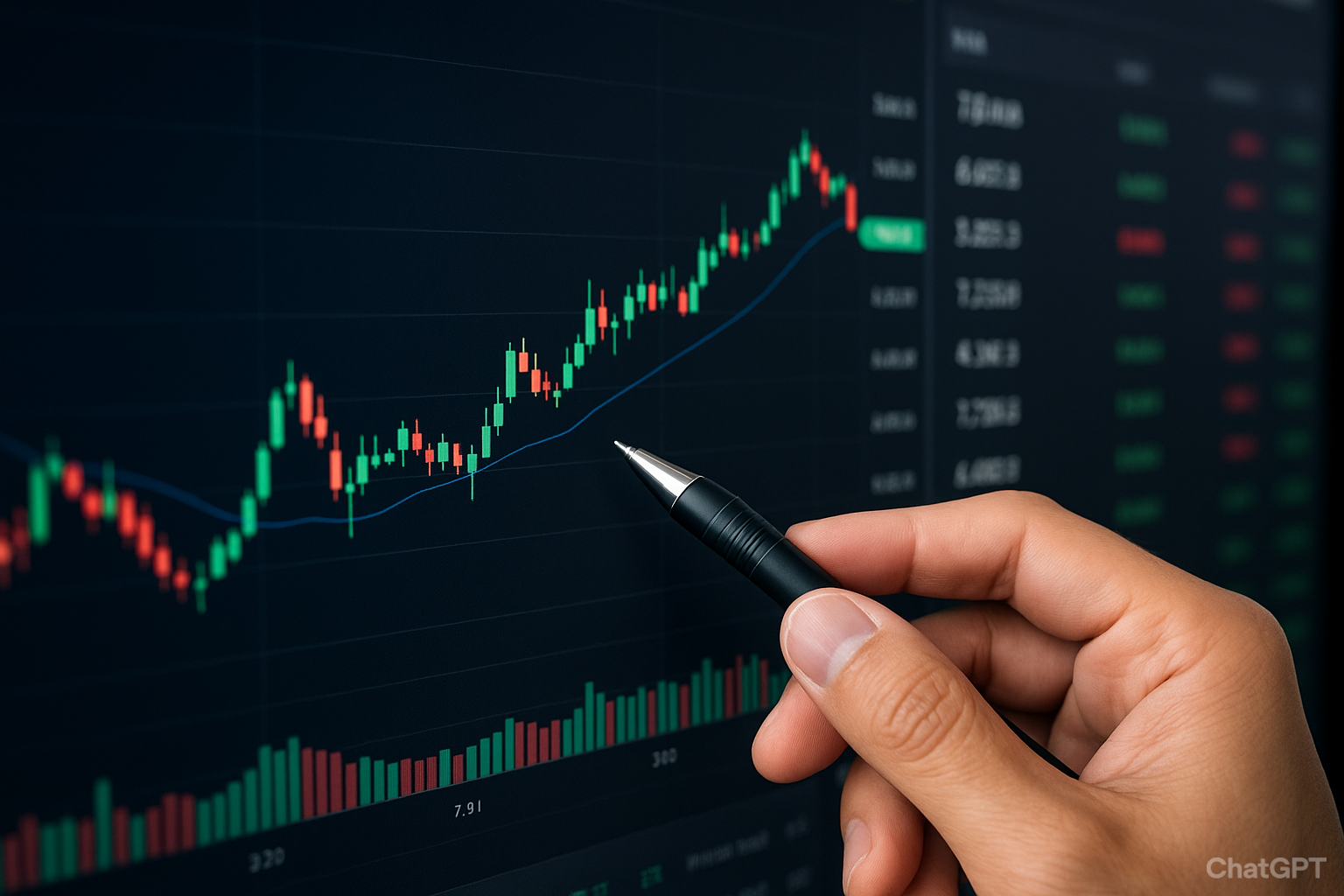
In this guide, you’ll learn can Trading really change your life,improve your life, the challenges you’ll face, and what beginners should realistically expect.
Welcome to JD Trading Zone
Many people start trading with one dream—to achieve financial freedom and improve their quality of life. Social media is filled with stories of traders making huge profits, buying expensive cars, and living luxurious lifestyles.
But is that the complete reality?
The simple answer is yes, trading can change your life—but only if you approach it with the right mindset, proper education, and strong discipline.
Trading is not a shortcut to becoming rich overnight. Instead, it is a profession and a skill that requires continuous learning, patience, and effective risk management.
Also check:- (Can you really earn money from trading) (How to become profitable in 365 trades.) (Can Trading Really Change Your Life?) (How to recover share market losses?) (Daily routine of successful traders|JD Trading Zone)

What Does Trading Mean?
What Does Trading Mean?
Trading is the process of buying and selling financial assets such as:
– Stocks
– Indices
– ETFs
– Commodities
– Currencies
– Options and Futures
The objective is simple: buy at a lower price and sell at a higher price, or profit from price movements using different trading strategies.
Successful traders rely on market analysis, trading psychology, and risk management rather than luck.
How trading can change your life
How Trading Can Change Your Life
1. Financial Growth
One of the biggest reasons people start trading is to grow their wealth.
A profitable trader can:
– Build multiple income sources
– Increase savings
– Invest profits into long-term assets
– Achieve financial goals faster
However, profits come gradually through consistency—not through gambling.
2. Freedom of Time
Unlike many traditional jobs, trading offers flexibility.
Depending on your trading style:
– Intraday traders trade during market hours.
– Swing traders spend less daily screen time.
– Positional traders may only analyze charts a few times each week.
This flexibility allows many traders to balance work, business, or family life
3. Better Decision-Making Skills
Trading teaches you to think logically instead of emotionally.
Over time, traders learn:
– Patience
– Discipline
– Planning
– Data-based decision making
– Emotional control
These skills are valuable in business and everyday life as well.
4. Strong Money Management Habits
Successful traders understand that protecting capital is more important than chasing profits.
Trading encourages:
– Budgeting
– Risk management
– Capital preservation
– Long-term financial planning
These habits often improve your overall financial health.
5. Continuous Learning
The stock market constantly evolves.
Successful traders continue learning about:
– Technical analysis
– Price action
– Trading psychology
– Risk management
– Market trends
– Economic news
This habit of continuous learning helps both personal and professional growth.
The Reality Most Beginners Ignore
Trading can change your life positively.
It can also become financially and emotionally painful if approached carelessly.
Many beginners make mistakes such as:
– Trading without a plan
– Risking too much money
– Following random tips
– Overtrading
– Revenge trading after losses
– Ignoring stop-loss orders
These mistakes often lead to unnecessary losses.
Can You Become Rich Through Trading?
Yes, but not overnight.
Professional traders focus on:
– Consistency
– Risk management
– Small regular profits
– Protecting capital
They understand that long-term success is built over hundreds of trades rather than a few lucky ones.
Trying to double your money quickly usually leads to poor decisions and larger losses.
Skills Every Beginner Needs
Before risking real money, learn these essential skills.
→ Technical Analysis
Understand:
– Support and resistance
– Trend analysis
– Candlestick patterns
– Chart patterns
– Volume analysis
→ Risk Management
Never risk a large percentage of your capital on one trade.
Many experienced traders limit risk to a small portion of their trading account per trade. This helps protect capital during losing streaks.
→ Trading Psychology
Emotions are one of the biggest reasons traders lose money.
→ Learn to control:
– Fear
– Greed
– FOMO (Fear of Missing Out)
– Revenge trading
A calm trader usually makes better decisions.
→ Trading Journal
Maintain a journal that records:
– Entry price
– Exit price
– Strategy used
– Profit or loss
– Lessons learned
Reviewing your trades helps identify patterns and improve over time.
→ Benefits of Trading
Trading offers several potential advantages when done responsibly.
– Flexible working hours
– Unlimited learning opportunities
– Potential for additional income
– Better financial awareness
– Independence in decision making
– Personal growth through discipline and patience
→ Challenges of Trading
Trading also comes with risks that every beginner should understand.
– Financial losses are possible.
– Emotional pressure can be high.
– Market conditions change frequently.
– Success requires consistent practice.
– There is no guaranteed income.
Understanding these realities helps set realistic expectations.
Can Anyone Become a Successful Trader?
Yes, many people can improve with dedication, but success is not guaranteed.
People who usually perform better are those who:
– Follow a written trading plan
– Manage risk carefully
– Stay patient
– Keep learning
– Accept losses as part of trading
– Focus on long-term improvement
The market rewards discipline more often than excitement.
Practical Tips for Beginners
If you’re just starting, keep these tips in mind:
1. Learn before investing real money.
2. Start with a small amount of capital.
3. Never trade based on rumors.
4. Use stop-loss orders.
5. Avoid emotional decisions.
6. Practice on historical charts or paper trading.
7. Review every trade and learn from mistakes.
8. Focus on consistency rather than quick profits.
Common Myths About Trading
Myth: Trading is easy money.
Reality: Trading requires skill, discipline, and continuous learning.
Myth: You need a huge amount of money.
Reality: Many beginners start with small capital while focusing on education.
Myth: Professional traders never lose.
Reality: Even experienced traders have losing trades. The difference is that they manage risk effectively.
Frequently Asked Questions
Can trading make you financially independent?
→ It can contribute to financial independence if you develop the necessary skills, manage risk wisely, and remain consistent over the long term. There are no guarantees.
How long does it take to become profitable?
→ It varies from person to person. Many traders spend months or even years learning before achieving consistent results.
Is trading suitable for beginners?
→ Yes, provided beginners start with education, realistic expectations, and proper risk management rather than chasing quick profits.
Final Thoughts
So, can trading really change your life?
Yes—but not through luck or shortcuts.
Trading can help you develop valuable financial skills, improve discipline, and potentially build wealth over time. However, lasting success comes from education, patience, and careful risk management.
If you treat trading as a profession instead of a get-rich-quick scheme, it can become a meaningful part of your financial journey.
Remember, the biggest transformation trading offers is often not just in your bank balance—but in the way you think, manage risk, and make decisions.
Focus on learning first, protect your capital, and let consistency guide your progress.
If this blog makes sense to you give your feedback in comments and stay tuned for more information about JD Trading Zone.