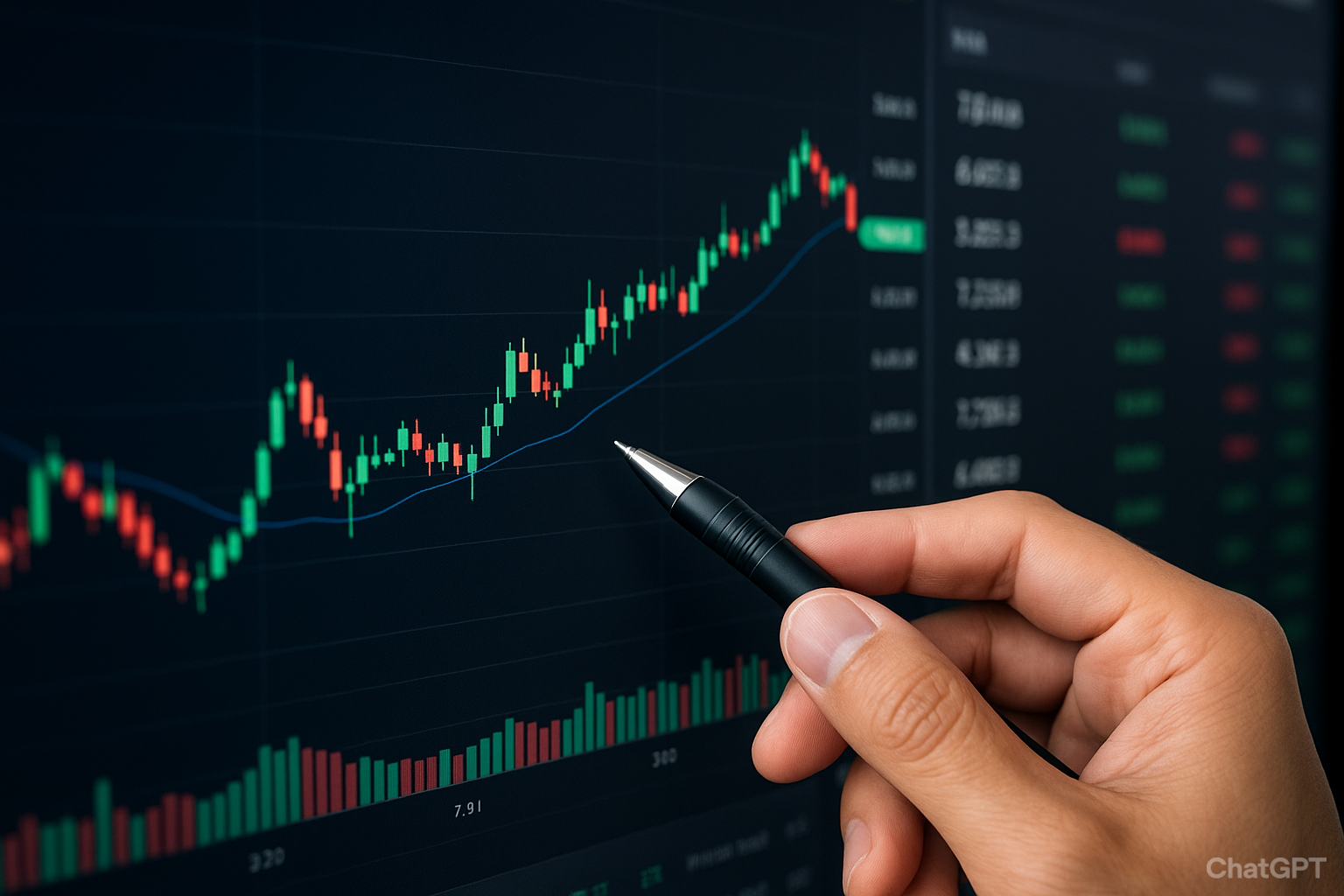
A daily routine of successful traders,follow to improve discipline, reduce emotional trading, and build confidence in the financial markets.
Many beginners believe successful traders spend all day watching charts and placing trades. In reality, professional traders follow a structured routine that focuses more on preparation, discipline, and risk management than on constant buying and selling.
At JD Trading Zone, we believe that a trader’s daily routine is one of the biggest factors behind long-term success. A profitable strategy alone is not enough. Without consistency and proper habits, even the best trading system can fail.

Why Having a Trading Routine Matters
Why Having a Trading Routine Matters
Trading is a performance-based profession. Just like athletes prepare before every match, traders must prepare before the market opens.
A good routine helps you:
Daily routine of successful traders –
• Reduce emotional decisions
• Improve discipline
• Avoid unnecessary trades
• Stay focused during market hours
• Manage risk effectively
• Build consistency over time
The goal is not to trade more. The goal is to trade better.
Step 1: Start Your Day Early
Successful traders don’t wake up just before the market opens.
Wake up at least 1–2 hours before your trading session. Use this time to prepare mentally and physically.
A healthy morning routine may include:
• Drinking water
• Light exercise or stretching
• Meditation or deep breathing
• Reading financial news
• Reviewing your trading plan
A calm mind leads to better trading decisions.
Step 2: Check Global Market News
Before looking at charts, understand what is happening around the world.
Look for:
• Global market performance
• Economic events
• Corporate earnings
• Major financial news
• Government announcements
• Interest rate decisions
Important news can increase market volatility, so knowing the day’s events helps you prepare.
Step 3: Review the Economic Calendar
Always check if any major events are scheduled during market hours.
Examples include:
• Inflation data
• GDP reports
• Employment reports
• Central bank meetings
High-impact news can create sudden price movements.
If you’re a beginner, avoiding trades during major announcements is often a safer choice.
Step 4: Analyze the Market Before It Opens
Never enter a trade without preparation.
Before the market opens:
• Mark support and resistance levels.
• Identify the market trend.
• Check higher timeframes.
• Note important price zones.
• Create a watchlist.
Preparation removes guesswork
Step 5: Write a Trading Plan
Every trade should have a reason.
Before entering any position, write down:
• Entry price
• Stop-loss
• Target
• Risk amount
• Position size
• Reason for the trade
If you cannot explain why you’re taking the trade, don’t take it.
Step 6: Wait for High-Quality Setups
Professional traders don’t trade every market movement.
Instead, they wait patiently for setups that match their strategy.
Remember:
→ No trade is better than a bad trade.
Patience is one of the most profitable skills in trading.
Step 7: Follow Proper Risk Management
Risk management protects your trading capital.
Some basic rules include:
• Risk only 1–2% of your account per trade.
• Always use a stop-loss.
• Avoid overleveraging.
• Never average down on losing trades.
• Protect profits with proper exits.
Even the best traders have losing trades.
The difference is that they keep their losses small.
Step 8: Control Your Emotions
Emotional trading is one of the biggest reasons beginners lose money.
Avoid:
• Revenge trading
• Fear of missing out (FOMO)
• Overconfidence after winning
• Panic selling
• Impulsive decisions
Follow your plan instead of your emotions.
Step 9: Take Breaks During the Day
Watching charts continuously creates stress.
Successful traders know when to step away.
Take short breaks to:
• Relax your eyes
• Refresh your mind
• Avoid emotional decisions
Sometimes the best trading decision is doing nothing.
Step 10: Maintain a Trading Journal
A trading journal is one of the most powerful learning tools.
Record:
• Entry and exit prices
• Profit or loss
• Screenshot of the chart
• Reason for taking the trade
• Emotional state
• Mistakes made
• Lessons learned
Over time, you’ll identify patterns in both your winning and losing trades.
Step 11: Review Your Performance After Market Hours
Your work doesn’t end when the market closes.
Spend 20–30 minutes reviewing:
• Which trades followed your strategy?
• Which mistakes did you make?
• Did you respect your stop-loss?
• Did emotions affect your decisions?
Continuous improvement creates long-term success.
Step 12: Keep Learning Every Day
Markets constantly evolve.
Successful traders invest time in learning through:
• Books
• Trading journals
• Market analysis
• Educational videos
• Historical chart studies
Learning never stops in trading.
A Sample Daily Routine for Beginners
Time Activity
6:30am. Wake up and exercise
7:00am. Read financial news
7:30am. Check the economic 📆
8:00am. Analyze chart
8:45am. Prepare trading plan
Market hr. Wait for quality setup
After market. Review trades and journal
Evening. Study and improve skills
Common Mistakes to Avoid
Many beginners struggle because they:
• Trade without a plan
• Ignore stop-losses
• Risk too much on one trade
• Chase losses
• Trade based on emotions
• Overtrade
• Skip journaling
• Expect quick profits
Avoiding these mistakes is often more important than finding the perfect strategy.
Tips from JD Trading Zone
To build consistency, remember these principles:
• Focus on process, not profits.
• Protect your capital first.
• Trade only when your setup appears.
• Accept losses as part of trading.
• Never stop learning.
• Stay disciplined every single day.
Small daily improvements lead to significant long-term results.
Questions (FAQs)
How many hours do successful traders trade each day?
→ Most successful traders spend more time preparing and reviewing than actually placing trades. Quality matters more than quantity.
Should beginners trade every day?
→ No. Beginners should only trade when their predefined setup appears. Skipping poor opportunities is a sign of discipline.
Is a trading journal necessary?
→ Yes. A trading journal helps identify mistakes, improve decision-making, and build consistency over time.
What is the most important habit of successful traders?
→ Discipline. Following a trading plan consistently is more important than predicting every market move.
Success in trading doesn’t come from finding a secret indicator or winning every trade. It comes from following a disciplined routine day after day.
At JD Trading Zone, we encourage traders to focus on habits instead of shortcuts. Preparing before the market opens, managing risk carefully, controlling emotions, and reviewing your performance every day can help you become a more confident and consistent trader.
Remember, trading is a marathon—not a sprint. Build the right routine today, and let consistency shape your results over time.
Pingback: How to recover share market losses? - jdtradingzone.com
Pingback: Can Trading Really Change Your Life? - jdtradingzone.com
Pingback: How to become profitable in 365 trades. - jdtradingzone.com