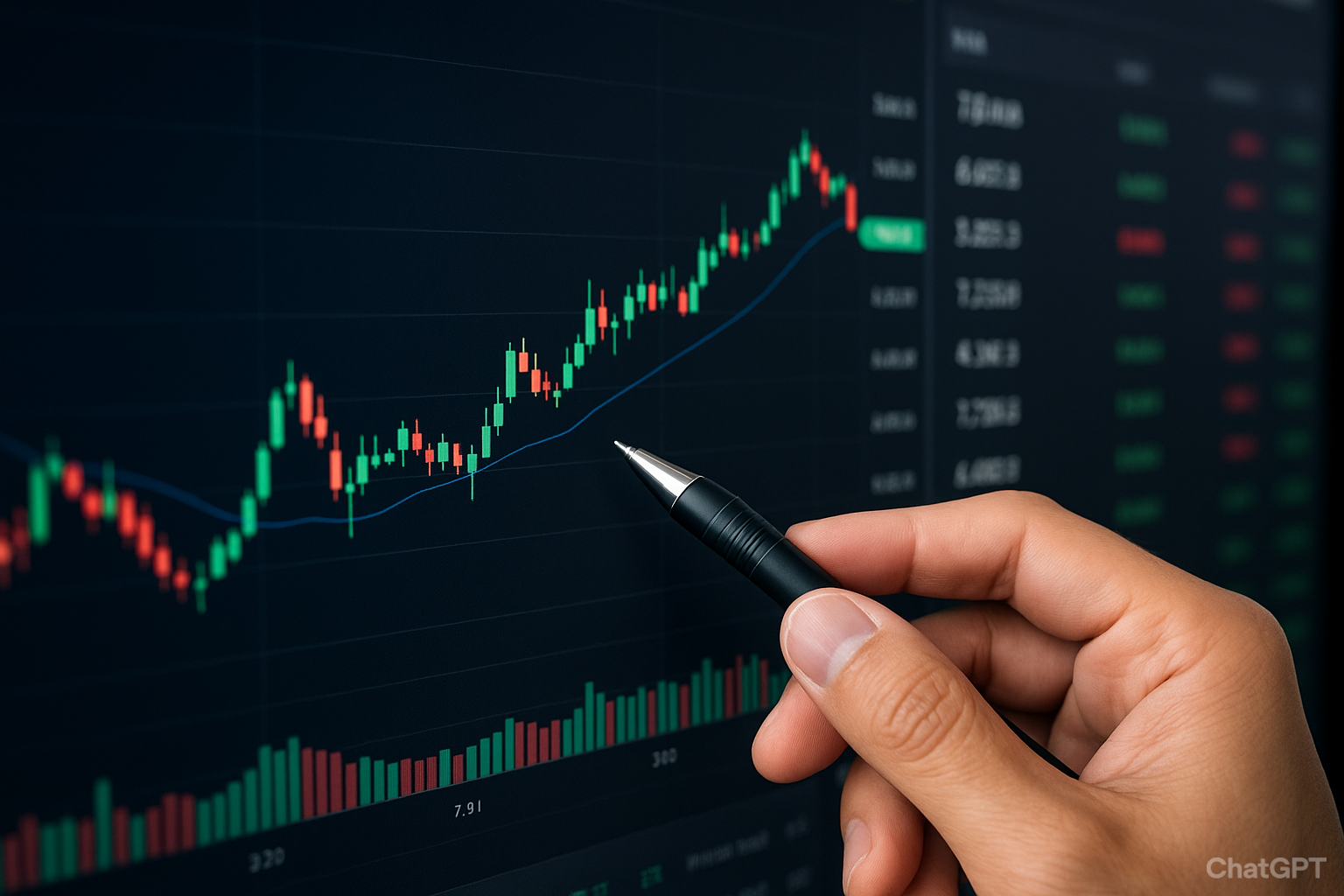
After the continuous losses many traders think Can Trading Really Change their Life? They lose their confidence and it makes confusion
Many people enter the stock market with one dream: to change their financial future. Social media is filled with screenshots of huge profits, luxury lifestyles, and stories of people who supposedly became rich overnight through trading.
But can trading really change your life?
The answer is yes—but not in the way most people expect.
Trading has the potential to improve your income, teach financial discipline, and create long-term wealth. However, it is not a shortcut to becoming rich. It requires education, patience, risk management, and emotional control.
Also check:- (Daily routine of successful traders|JD Trading Zone) (The secret to consistency in trading| JD Trading Zone) (Why Do 90% of Traders Lose Money?) (Trading Psychology for Beginners: Master Your Emotions) (how to recover share market losses)

What Does It Mean to trading really Change their lives?
What Does It Mean to can trading really Change Your Life?
Changing your life doesn’t always mean becoming a millionaire.
For many traders, success means:
• Creating an additional source of income
• Achieving financial independence
• Learning disciplined money management
• Reducing dependence on a single salary
• Building confidence through financial knowledge
Trading can become a valuable skill, but only if you treat it like a profession instead of gambling.
Why Do People Believe Trading Can Change Their Lives?
Why Do People Believe Trading Can Change Their Lives?
There are several reasons why trading attracts millions of people every year.
1. Low Entry Barrier
Today, almost anyone can open a trading account online and start investing with a relatively small amount of money.
This accessibility has made trading available to students, working professionals, and retirees alike.
2. Unlimited Learning Opportunities
Unlike many careers, trading rewards continuous learning.
As you gain experience, you improve your understanding of:
• Market psychology
• Technical analysis
• Risk management
• Trading strategies
• Financial planning
These skills are useful beyond trading as well.
3. Flexible Lifestyle
Trading allows people to work from almost anywhere with an internet connection.
While it isn’t completely “location independent” for everyone, it offers flexibility that many traditional jobs cannot.
4. Potential for Long-Term Growth
Professional traders focus on consistent returns instead of chasing quick profits.
Small but consistent improvements over several years can produce meaningful financial growth.
The Reality Most Beginners Ignore
Many new traders believe they can double their money every month.
Unfortunately, reality is different.
• Successful trading involves:
• Losing trades
• Emotional pressure
• Market uncertainty
• Continuous learning
• Strict discipline
Even experienced traders experience losing streaks.
The goal is not to avoid losses but to manage them effectively.
How Trading Changed the Lives of Successful Traders
Many professional traders share common habits.
Instead of chasing quick profits, they focus on:
→ Building a Trading Plan
Every trade has:
• Entry point
• Stop-loss
• Target
• Position size
Nothing is random.
→ Managing Risk
Professional traders know that protecting capital is more important than making money.
Many risk only 1% of their capital per trade.
This allows them to survive losing streaks.
→ Following Discipline
Successful traders avoid emotional decisions.
They stick to their strategy even after several losses.
Discipline is often more important than finding the “perfect indicator.”
Can Beginners Become Successful Traders?
Absolutely.
However, beginners should understand that success usually comes in stages.
Stage 1: Learning
Study:
• Candlestick patterns
• Support and resistance
• Trend analysis
• Risk management
• Trading psychology
Stage 2: Practice
Use paper trading or trade with very small amounts.
The goal is learning—not making money immediately.
Stage 3: Build Consistency
Focus on executing your strategy correctly.
Do not judge yourself based on one winning or losing trade.
Stage 4: Scale Slowly
Increase your trading capital only after maintaining consistent results over several months.
Skills That Matter More Than Luck
Many people think successful traders are lucky.
In reality, they usually master these skills:
→ Risk Management
• Protecting your capital should always come first.
• Never risk money you cannot afford to lose.
→ Emotional Control
• Fear and greed destroy more accounts than bad strategies.
• Learn to stay calm during both winning and losing periods.
→ Patience
• The market provides opportunities every week.
• You don’t need to trade every day.
• Sometimes the best trade is no trade.
→ Consistency
• Small consistent profits often outperform occasional huge wins followed by large losses.
Common Mistakes That Stop Traders from Changing Their Lives
Avoid these beginner mistakes:
→ Trading Without Education
• Entering the market without understanding price movement usually leads to losses.
→ Overtrading
• More trades do not always mean more profits.
• Quality matters more than quantity.
→ Ignoring Stop-Loss
• One bad trade without a stop-loss can erase weeks of profits.
→ Copying Others Blindly
• Social media influencers may not share the full story behind their profits.
• Always understand your own strategy.
→ Chasing Quick Riches
• Trading is a marathon, not a sprint.
• Expect gradual improvement instead of instant success.
A Practical Roadmap for Beginners
If you want trading to improve your life, consider this simple roadmap.
→ Month 1–2
• Learn market basics
• Understand chart patterns
• Study candlestick analysis
→ Month 3–4
• Practice on a demo account
• Create one trading strategy
• Maintain a trading journal
→ Month 5–6
• Trade with small capital
• Focus on risk management
• Review every trade
→ Beyond 6 Months
• Improve discipline
• Build consistency
• Increase capital only after proven results
Is Trading Better Than a Full-Time Job?
This is a common question.
Trading should not immediately replace your primary income.
Instead:
• Keep your regular job if possible.
• Build trading skills gradually.
• Create consistent profitability first.
• Transition only when your results are stable over a long period.
This approach reduces financial pressure and helps you make better trading decisions.
Can Everyone Become a Successful Trader?
Not everyone.
Successful traders are usually willing to:
• Learn continuously
• Accept losses
• Stay disciplined
• Control emotions
• Think long term
People looking for overnight wealth often quit quickly.
Frequently Asked Questions (FAQs)
Can trading make you rich?
→ Trading can create wealth over time, but there are no guarantees. Consistency, discipline, and proper risk management are far more important than chasing large profits.
How much money do I need to start trading?
→ You can begin with a small amount while focusing on learning. Never invest money that you cannot afford to lose.
Is trading risky?
→ Yes. Every trade carries risk. Proper position sizing and stop-loss orders help reduce potential losses, but they cannot eliminate risk entirely.
How long does it take to become profitable?
→ It varies from person to person. Many traders spend months or even years developing the skills and discipline needed for consistent results.
Should beginners trade every day?
→ Not necessarily. Beginners benefit more from waiting for high-quality setups than taking frequent trades.
Final Thoughts
So, can trading really change your life?
Yes—but only if you approach it with the right expectations.
Trading is not a magic formula for instant wealth. It is a skill that takes time, discipline, and continuous learning. Those who focus on education, risk management, and consistency have a much better chance of improving their financial future.
Instead of asking, “How quickly can I become rich?” ask yourself, “How can I become a better trader every day?”
That mindset is what truly changes lives.
“Trading can improve your financial future, but it is not a get-rich-quick scheme.”
If this blog makes sense to you give your feedback in comments and stay tuned for more information about JD Trading Zone.
Well done, the writing is professional without being stiff, and the topic is treated with care, and a look at ardenbrisk reflected that approach, the kind of site I would point a colleague to if they asked for a reliable starting point on this topic in the future without any hesitation at all.
Came in skeptical of the angle and left mostly persuaded, and a stop at pacerlucid pushed me a bit further in the same direction, content that can move a critical reader by argument rather than rhetoric is rare and worth pointing out because it indicates real substance underneath the surface presentation here.