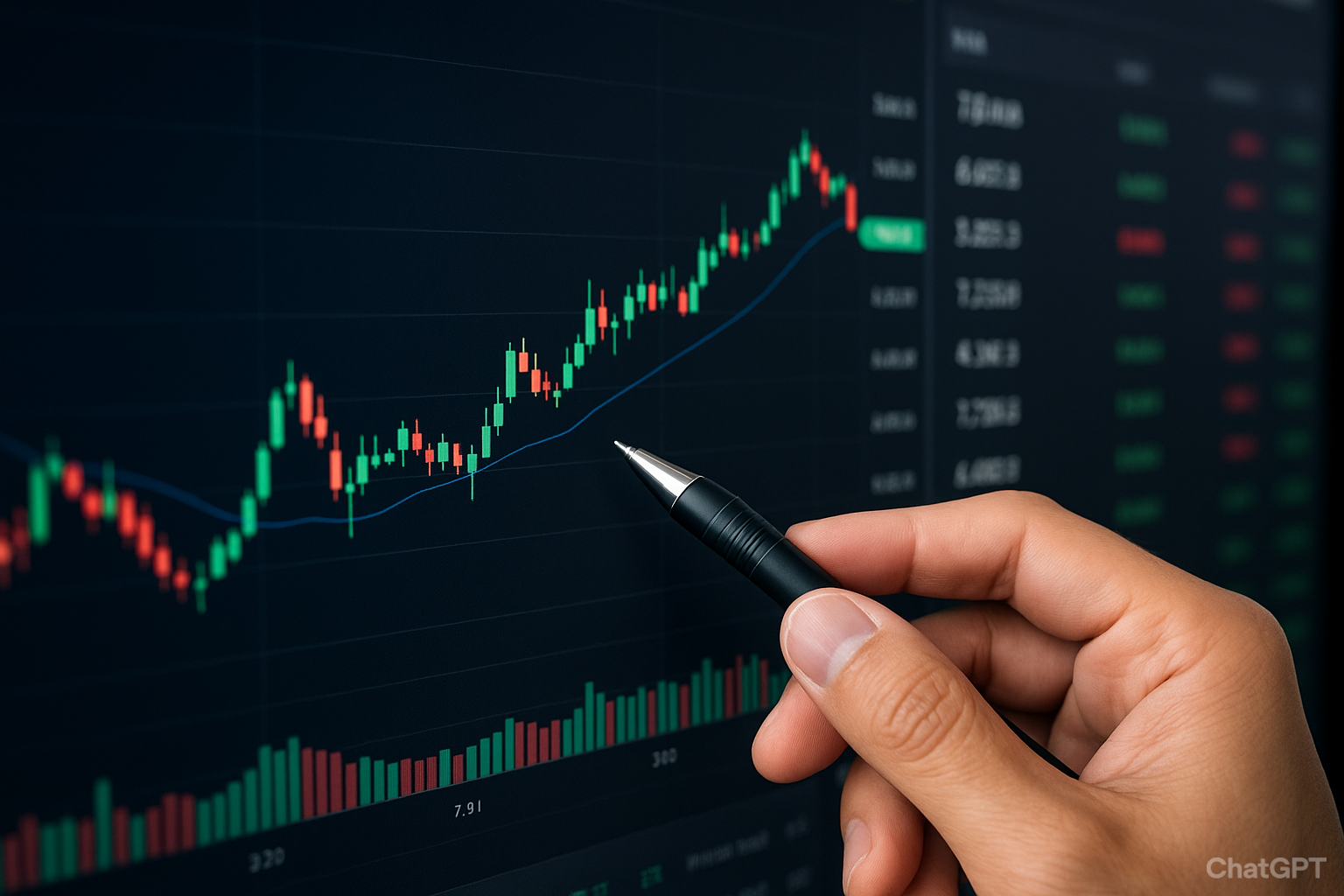
If you want to become discipline trader you should know about 7 Habits That Help Traders Reach the Top 2% that can help you move closer to becoming a disciplined and profitable trader.
Welcome to JD Trading Zone
Every trader dreams of becoming consistently profitable. Yet, only a small percentage of traders achieve long-term success. The difference is not a secret indicator or a magical strategy. Instead, it comes down to habits.
Successful traders build routines that protect their capital, improve decision-making, and keep emotions under control. Beginners often spend too much time searching for the perfect strategy while ignoring the daily habits that truly matter.
Also check:- (The dark reality of stock market trading) (Can you really earn money from trading) (How to become profitable in 365 trades.) (The Real Reasons Most Traders Quit) (Can Trading Really Change Your Life?)

Why Do Most Traders Never Reach the Top 2%?
Why Do Most Traders Never Reach the Top 2%?
Many traders lose money because they:
• Trade without a plan.
• Risk too much on one trade.
• Let emotions control decisions.
• Ignore trading journals.
• Overtrade after losses.
• Stop learning after a few wins.
Successful traders avoid these mistakes by following consistent habits every single day.
Here are the 7 Habits That Help Traders Reach the Top 2%
Habit 1: Follow a Trading Plan Every Time
Professional traders never enter the market without a plan.
Before placing any trade, ask yourself:
• Why am I entering this trade?
• Where is my stop loss?
• What is my target?
• How much am I risking?
A trading plan removes guesswork and emotional decisions.
Beginner Tip
Write your trading rules on paper and keep them beside your computer. Follow them before every trade.
Habit 2: Protect Capital Before Chasing Profits
One of the biggest differences between beginners and experienced traders is their focus.
→ Beginners think:
“How much can I make today?”
→ Professional traders think:
“How much can I afford to lose?”
Capital protection is the first priority.
Risk Management Rules
• Risk only 1–2% of your trading capital per trade.
• Always use a stop loss.
• Never average down on losing trades without a tested plan.
• Avoid revenge trading.
Remember:
Without capital, there is no next trade.
Habit 3: Be Patient and Wait for High-Quality Setups
The market provides opportunities every day, but not every movement deserves a trade.
Top traders know that sometimes the best trade is no trade at all.
Patience helps you:
• Avoid low-probability trades.
• Reduce unnecessary losses.
• Improve overall win quality.
• Stay emotionally balanced.
Waiting for your setup is a skill that becomes more valuable over time.
Habit 4: Keep a Detailed Trading Journal
Many beginners skip journaling because it feels boring.
However, your trading journal is one of the most valuable learning tools.
Record details such as:
• Entry price
• Exit price
• Stop loss
• Position size
• Reason for taking the trade
• Market conditions
• Emotional state
• Final result
After 50–100 trades, patterns begin to appear.
You may discover:
• Which setups work best.
• Which mistakes happen repeatedly.
• Which time of day suits your strategy.
A journal helps you improve using real data instead of memory.
Habit 5: Control Emotions Instead of Fighting the Market
Markets are unpredictable.
Losses are part of trading.
Successful traders accept losses without letting emotions take over.
Common emotional mistakes include:
• Fear of missing out (FOMO)
• Revenge trading
• Greed after winning trades
• Fear after losing trades
How to Stay Emotionally Stable
• Follow your trading plan.
• Take regular breaks.
• Avoid increasing position size after losses.
• Accept that no strategy wins every trade.
Emotional control often matters more than technical knowledge.
Habit 6: Keep Learning and Improving
Financial markets constantly change.
A strategy that worked perfectly last year may require adjustments today.
Top traders continuously improve by:
• Reading trading books.
• Reviewing past trades.
• Learning risk management.
• Studying market structure.
• Testing strategies before using real money.
Even experienced traders remain lifelong learners.
Habit 7: Think Long-Term Instead of Daily Profits
Many beginners judge their success after one trade.
Professional traders evaluate results over dozens or even hundreds of trades.
Trading is a probability game.
One losing trade does not make you a bad trader.
Likewise, one winning trade does not make you an expert.
Focus on:
• Consistency
• Discipline
• Process
• Long-term growth
When you improve your process, profits often follow naturally over time
Common Mistakes That Prevent Traders from Reaching the Top 2%
Avoid these habits if you want consistent results:
• Trading without a strategy.
• Ignoring stop losses.
• Overtrading.
• Risking too much money.
• Following random social media tips.
• Changing strategies every week.
• Expecting quick riches.
Replacing these mistakes with disciplined habits can significantly improve your trading journey.
Daily Routine of Successful Traders
A simple daily routine might include:
1. Review market news and key levels.
2. Analyze charts before the market opens.
3. Wait patiently for your setup.
4. Follow your trading rules.
5. Record every completed trade.
6. Review mistakes after the trading session.
7. Plan improvements for the next day.
Consistency in these small actions can create meaningful progress over time.
→
Becoming part of the top 2% of traders is not about finding a perfect indicator or predicting every market move. It is about building habits that support consistent decision-making.
Focus on following a trading plan, protecting your capital, waiting for quality setups, keeping a trading journal, managing emotions, learning continuously, and thinking long-term.
These habits may seem simple, but practicing them consistently is what separates successful traders from those who struggle.
Remember, trading success is built one disciplined decision at a time.
Frequently Asked Questions (FAQs)
Can beginners develop these habits?
→ Yes. The earlier you build disciplined habits, the easier it becomes to avoid costly mistakes.
Is one trading strategy enough?
→ A well-tested strategy can be enough if you follow it consistently with proper risk management.
How long does it take to become a consistent trader?
→ There is no fixed timeline. Progress depends on your learning, practice, discipline, and ability to manage risk.
Is a trading journal really necessary?
→ Yes. A journal helps you identify strengths, weaknesses, and recurring mistakes that are difficult to remember accurately.
What is the most important habit for long-term trading success?
→ Risk management is one of the most important habits because protecting your capital allows you to stay in the market long enough to improve and grow.
Disclaimer: This article is for educational purposes only and should not be considered financial or investment advice. Trading involves risk, and past performance does not guarantee future results. Always conduct your own research and consider consulting a qualified financial advisor before making investment decisions.
https://uddokta64.com/blogs/2322/%D0%9F%D1%80%D0%BE%D0%BC%D0%BE%D0%BA%D0%BE%D0%B4-Melbet-%D0%91%D0%B5%D1%81%D0%BF%D0%BB%D0%B0%D1%82%D0%BD%D0%BE-2026-GAME888
Pingback: The Biggest Challenges Every Trader Faces - jdtradingzone.com
Honest take is that I will probably forget most of what I read online today but this post is one I will remember, and a stop at bondalign kept that same memorable quality going, certain writing leaves a residue in the mind in a way most content simply does not manage.
otshpfdnsqqygovroxlyqmhtjepyzd
Pingback: Why Is It So Difficult to Learn Trading? - jdtradingzone.com