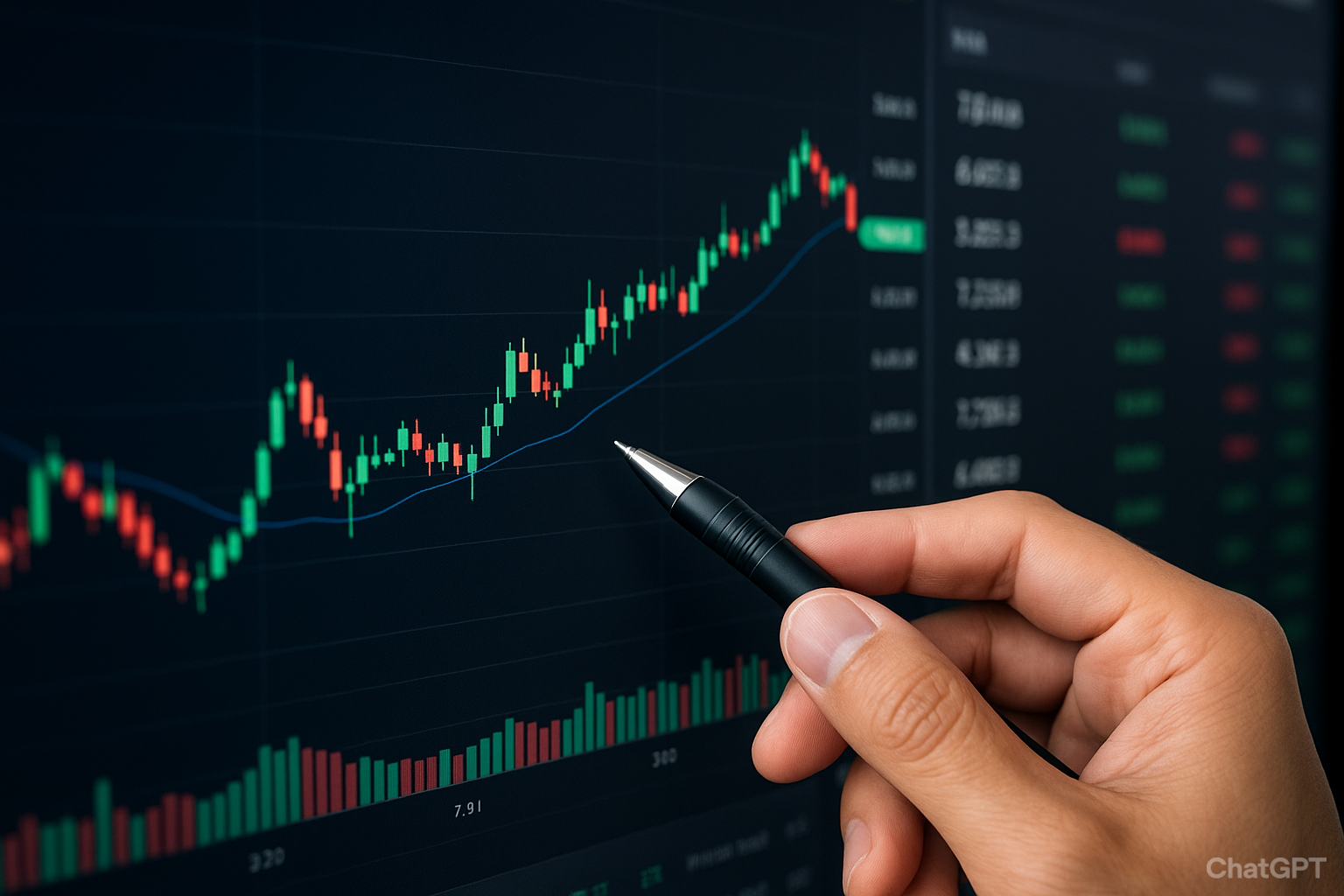
In trading many new traders face challenges but they don’t know how to face it and destroy our trading career, today we know the Biggest Challenges Every Trader Faces and how to face it.
Welcome to JD Trading Zone
Trading attracts millions of people with the promise of financial freedom. Social media is full of screenshots showing huge profits, luxury lifestyles, and overnight success stories. However, what most people don’t see are the struggles behind every successful trader.
The reality is that every trader—whether a beginner or a professional—faces challenges. The difference is that successful traders learn how to manage these challenges instead of letting them control their decisions.
Also check:- (Why Do Most Traders Lose Money?) (Can Trading Really Change Your Life?) (How to Recover Share Market Losses) (7 Habits That Help Traders Reach the Top 2%)

Why Every Trader Faces Challenges
Why Every Trader Faces Challenges
Trading is not simply buying and selling stocks, forex, or cryptocurrencies. It requires:
• Emotional control
• Risk management
• Patience
• Discipline
• Continuous learning
Even traders with years of experience have losing trades. The goal isn’t to avoid losses completely—it is to manage them wisely.
1. Fear of Losing Money
One of the biggest obstacles for beginners is the fear of losing money.
Many traders hesitate to enter good setups because they worry about taking a loss. Others exit profitable trades too early because they’re afraid the market will reverse.
→ How to Overcome It
• Start with small position sizes.
• Accept that losses are part of trading.
• Never risk money you cannot afford to lose.
• Focus on following your trading plan rather than individual trade outcomes.
Remember, one losing trade does not define your trading career.
2. Greed
Greed often appears after a few winning trades.
A trader may think:
• “I’ll double my position.”
• “This trade will keep going forever.”
• “I don’t need a stop loss.”
Unfortunately, greed usually leads to giving back profits.
→ How to Control Greed
• Set profit targets before entering a trade.
• Follow your trading plan strictly.
• Avoid increasing your position size emotionally.
• Take profits according to your strategy.
Professional traders protect profits instead of chasing unrealistic returns.
3. Lack of a Trading Plan
Many beginners enter trades based on social media tips or random opinions.
Without a trading plan, every market movement creates confusion.
A good trading plan should include:
• Entry conditions
• Exit conditions
• Stop-loss placement
• Profit target
• Maximum daily loss
• Risk per trade
Having clear rules reduces emotional decision-making.
4. Poor Risk Management
Even an excellent trading strategy can fail if risk management is ignored.
Many traders risk too much on a single trade hoping for quick profits.
If one bad trade wipes out a large portion of your account, recovery becomes much harder.
→ Basic Risk Management Rules
• Risk only 1–2% of your trading capital per trade.
• Always use a stop loss.
• Never average down on losing positions without a tested strategy.
Maintain a favorable risk-to-reward ratio.
Risk management is what keeps traders in the game.
5. Overtrading
Overtrading means taking too many trades without quality setups.
Common reasons include:
• Boredom
• Revenge trading
• Fear of missing out (FOMO)
• Trying to recover losses quickly
More trades do not necessarily mean more profits.
→ Solution
Trade only when your strategy gives a valid signal. Sometimes the best trade is no trade at all.
6. Lack of Patience
Many traders expect immediate success.
When profits don’t come quickly, they constantly switch strategies.
→ The truth is:
Every profitable strategy experiences losing streaks.
Patience allows your trading edge to play out over many trades.
7. Emotional Trading
Emotions can easily take control during market volatility.
Common emotional mistakes include:
• Closing winners too early
• Holding losing trades too long
• Revenge trading
• Ignoring stop losses
→ How to Stay Emotionally Balanced
• Follow a written trading plan.
• Take breaks after large wins or losses.
• Keep position sizes reasonable.
• Review your trades regularly.
Discipline often matters more than prediction.
8. Unrealistic Expectations
Many beginners believe they can double their account every month.
Professional traders focus on consistency rather than extraordinary returns.
→ Instead of asking:
“How much can I make this week?”
→ Ask:
“Can I consistently follow my trading plan?”
Long-term consistency usually produces better results than chasing quick profit
9. Information Overload
The internet offers endless trading advice.
YouTube videos, Telegram groups, social media influencers, and market news often provide conflicting opinions.
Trying to follow everything creates confusion.
→ Better Approach
• Choose one trading style.
• Learn one strategy thoroughly.
Practice it consistently before moving to another method.
10. Not Keeping a Trading Journal
Many traders never record their trades.
Without reviewing previous decisions, it’s difficult to improve.
A trading journal should include:
• Entry price
• Exit price
• Stop loss
• Trade setup
• Risk-reward ratio
• Market conditions
• Emotional state
• Lessons learned
Small improvements over time can make a big difference.
11. Ignoring Market Conditions
No strategy works perfectly in every market.
Markets can be:
• Trending
• Sideways
• Highly volatile
• Low volatility
Understanding current market conditions helps traders choose appropriate strategies and manage expectations.
12. Comparing Yourself with Other Traders
Social media often highlights only successful trades.
This creates unrealistic expectations.
→ Remember:
Every trader has losing days.
Focus on your own progress instead of comparing your journey with someone else’s results.
Practical Tips for Beginner Traders
If you’re new to trading, these habits can help build a stronger foundation:
• Learn one strategy before trying multiple systems.
• Protect your capital with proper risk management.
• Accept losses as part of the process.
• Keep a detailed trading journal.
• Practice discipline rather than chasing excitement.
• Continue learning and reviewing your trades.
• Avoid making decisions based on rumors or emotions.
Common Mistakes Beginners Should Avoid
• Trading without a plan
• Ignoring stop losses
• Risking too much on one trade
• Overtrading
• Chasing losses
• Following random tips blindly
• Expecting instant success
• Changing strategies too often
Avoiding these mistakes can improve your consistency over time.
Frequently Asked Questions (FAQs)
→ Why do most traders struggle?
Many traders struggle because of emotional decision-making, poor risk management, unrealistic expectations, and lack of discipline.
→ Is losing money normal in trading?
Yes. Even experienced traders experience losses. The goal is to keep losses manageable while allowing winning trades to outweigh them over time.
→ How can beginners become better traders?
Beginners can improve by learning one strategy well, practicing risk management, maintaining a trading journal, and staying disciplined.
→ Is psychology more important than strategy?
Both matter, but even a good strategy can fail if emotions cause you to ignore your rules. Developing discipline and consistency is essential.
Final words
Every trader faces challenges, regardless of experience. Fear, greed, impatience, and emotional decision-making are common obstacles, but they can be managed with preparation and discipline.
Success in trading is rarely about finding a “perfect” strategy. It is more often the result of following a well-tested plan, protecting your capital, and learning from both wins and losses.
Instead of focusing on becoming rich quickly, aim to become a disciplined and consistent trader. Over time, those habits can provide a stronger foundation for long-term success.
Pingback: What Is VWAP in Share Market? - jdtradingzone.com
Pingback: How Much Money Can You Earn with Trading? - jdtradingzone