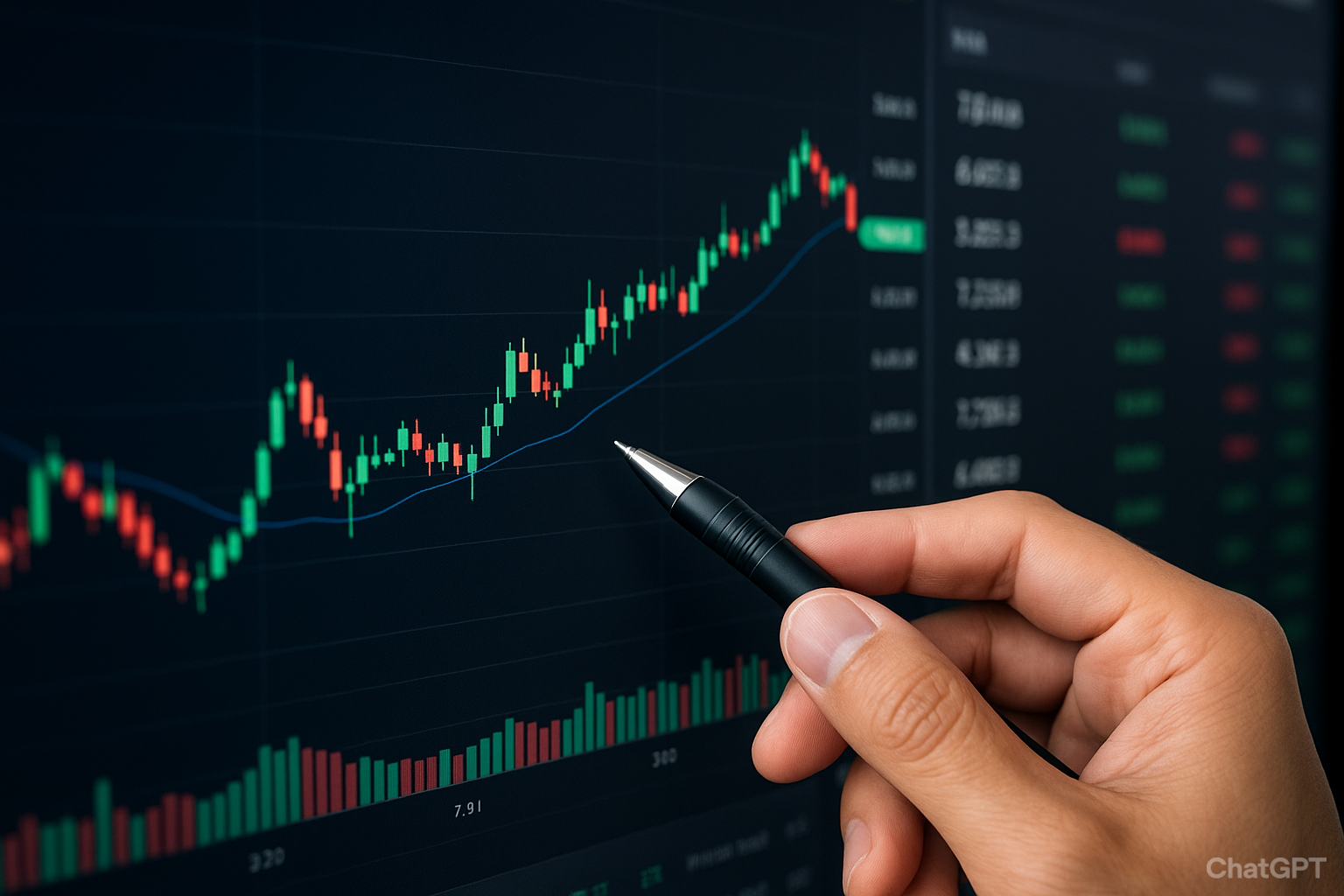
Hello guys today we will learn Why Is It So Difficult to Learn Trading? and what beginners can do to improve their chances of success.
Welcome to JD Trading Zone
Many people enter the stock market believing trading is a quick way to earn money. Social media often shows traders making huge profits in minutes, making it look easy. However, the reality is very different.
Learning to trade successfully is one of the most challenging skills because it requires much more than understanding charts. It involves managing emotions, controlling risk, building discipline, and following a proven strategy consistently.
If you have ever wondered why trading feels so difficult, you’re not alone. Every successful trader has faced the same struggles. The good news is that these challenges can be overcome with patience, practice, and the right mindset
Also check:- (Why Do Most Traders Lose Money?) (The Secret to Consistency in Trading) (Can Trading Really Change Your Life?) (7 Habits That Help Traders Reach the Top 2%) (How to Recover Share Market Losses)
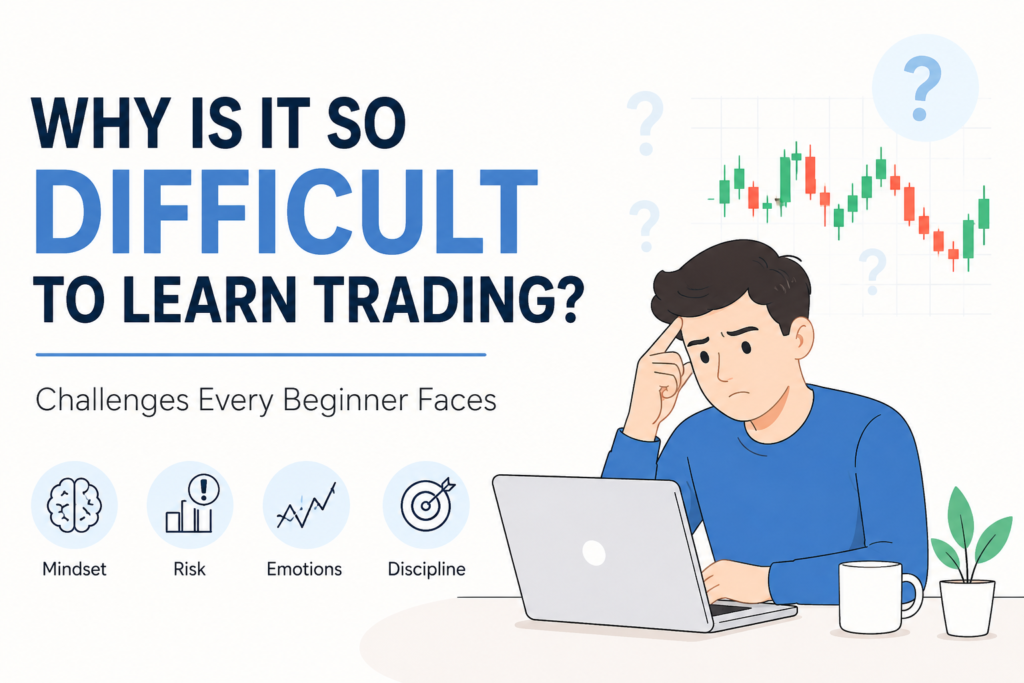
Here is Why Is It So Difficult to Learn Trading?
Trading Is a Skill, Not a Shortcut
One of the biggest misconceptions is that trading is easy money.
Think about becoming a doctor, engineer, or professional athlete. These careers require years of education and practice. Trading is no different.
Successful traders spend years learning:
• Market behavior
• Risk management
• Technical analysis
• Trading psychology
• Strategy development
• Self-discipline
Many beginners underestimate this learning curve, which often leads to frustration.
Why Is It So Difficult to Learn Trading?
There Is Too Much Information
Today’s traders have access to unlimited information.
You can find:
• YouTube strategies
• Telegram channels
• Instagram reels
• Paid courses
• Indicators
• Trading books
• News updates
While information is valuable, too much information creates confusion.
This is known as information overload.
Many beginners jump from one strategy to another without mastering any of them.
Instead of learning everything, focus on learning one simple strategy and understand it deeply.
Markets Are Always Changing
Unlike school exams where answers remain the same, financial markets constantly change.
A strategy that works today may not perform well next month because markets move through different conditions such as:
• Trending markets
• Sideways markets
• High volatility
• Low volatility
Learning when to trade—and when not to trade—is an important part of becoming profitable.
Emotions Make Trading Hard
Most people believe trading is about charts.
In reality, trading is often a battle against your own emotions.
Common emotional mistakes include:
• Fear of losing money
• Greed after winning trades
• Revenge trading after losses
• Overconfidence after profits
• Panic during market volatility
Even experienced traders continue working on emotional discipline.
Learning to control emotions is just as important as learning technical analysis.
Managing Risk Is Difficult
Many beginners only focus on making profits.
Professional traders focus on protecting their capital first.
Without proper risk management, even a good strategy can fail.
Important risk management habits include:
• Using stop-loss orders
• Avoiding oversized positions
• Risking only a small percentage of capital per trade
• Accepting losses as part of trading
Capital preservation allows traders to survive long enough to improve.
Losses Are Part of Trading
One of the hardest lessons for beginners is accepting losses.
No strategy wins every trade.
Even successful traders experience losing streaks.
The goal is not to avoid losses completely.
The goal is to keep losses small while allowing profitable trades to grow.
Understanding this mindset helps reduce emotional pressure.
Building Discipline Takes Time
Successful trading depends on consistency.
Many beginners break their own rules by:
• Entering random trades
• Ignoring stop losses
• Chasing the market
• Trading out of boredom
• Increasing position size after losses
Discipline means following your trading plan even when emotions tell you otherwise.
This habit develops only through practice.
Trading Requires Patience
Beginners often expect quick results.
However, trading rewards patience.
Good traders spend much of their time waiting for high-quality opportunities rather than trading constantly.
Sometimes the best trade is no trade at all.
Learning patience can significantly improve trading performance.
Demo Trading Feels Different From Real Trading
Many beginners perform well in demo accounts but struggle with real money.
→ Why?
Because real money creates emotional pressure.
Fear and greed become much stronger when your own capital is involved.
This is why transitioning slowly from demo trading to small real trades is often recommended.
Consistency Is Harder Than Making One Big Profit
Anyone can have a lucky trading day.
The real challenge is earning profits consistently over months and years.
Professional traders focus on:
• Following rules
• Managing risk
• Reviewing trades
• Improving gradually
Long-term consistency matters far more than short-term gains.
Common Beginner Mistakes
Avoid these common errors:
• Expecting overnight success
• Trading without a plan
• Copying random signals
• Ignoring risk management
• Using excessive leverage
• Changing strategies too frequently
• Letting emotions control decisions
Recognizing these mistakes early can save both time and money.
How Beginners Can Make Trading Easier
Although trading is difficult, learning becomes easier when you follow a structured approach.
Here are practical steps:
→ Learn the Basics First
Understand:
• Candlestick patterns
• Support and resistance
• Trend analysis
• Risk management
• Order types
Build a strong foundation before trying advanced strategies.
→ Focus on One Strategy
Avoid switching between multiple indicators.
Master one strategy before exploring others.
→ Keep a Trading Journal
Record:
• Entry price
• Exit price
• Reason for taking the trade
• Profit or loss
• Emotional state
Reviewing your journal helps identify recurring mistakes.
→ Practice Before Increasing Capital
Trade with small amounts while gaining experience.
Protecting your capital is more important than chasing quick profits.
→ Think Long Term
Treat trading as a skill that develops over time.
Improvement comes through continuous learning, practice, and patience.
Can Anyone Learn Trading?
Yes—but not everyone becomes profitable.
People who usually succeed are willing to:
• Learn continuously
• Accept mistakes
• Stay disciplined
• Control emotions
• Follow proper risk management
• Think long term
Trading rewards consistency more than intelligence.
Frequently Asked Questions (FAQs)
→ Why is trading harder than it looks?
Because successful trading requires emotional control, risk management, discipline, patience, and continuous learning—not just buying and selling.
→ How long does it take to learn trading?
The learning process varies for everyone. Most traders need several months to understand the basics, while developing consistent skills often takes years of practice.
→ Can beginners become profitable?
Yes. Beginners can become profitable by learning gradually, practicing consistently, using proper risk management, and avoiding unrealistic expectations.
→ What is the hardest part of trading?
For most traders, controlling emotions and maintaining discipline are more difficult than understanding technical analysis.
Trading is difficult because it combines financial knowledge with psychology, discipline, patience, and risk management. There is no shortcut to becoming a successful trader.
Instead of chasing quick profits, focus on building strong habits, protecting your capital, and learning from every trade. Every experienced trader was once a beginner who made mistakes. The difference is that they kept learning, stayed disciplined, and improved over time.
If you approach trading as a long-term skill rather than a get-rich-quick opportunity, you give yourself a much better chance of achieving consistent results.
Подарите своей возлюбленной незабываемое впечатление — выберите кольцо с бриллиантом 2 карата и сделайте предложение, которое запомнится на всю жизнь.
Первое предложение абзаца посвящено кольцам с бриллиантами.
Pingback: 10 Risk Management Rules Every Trader Must Know - jdtradingzone