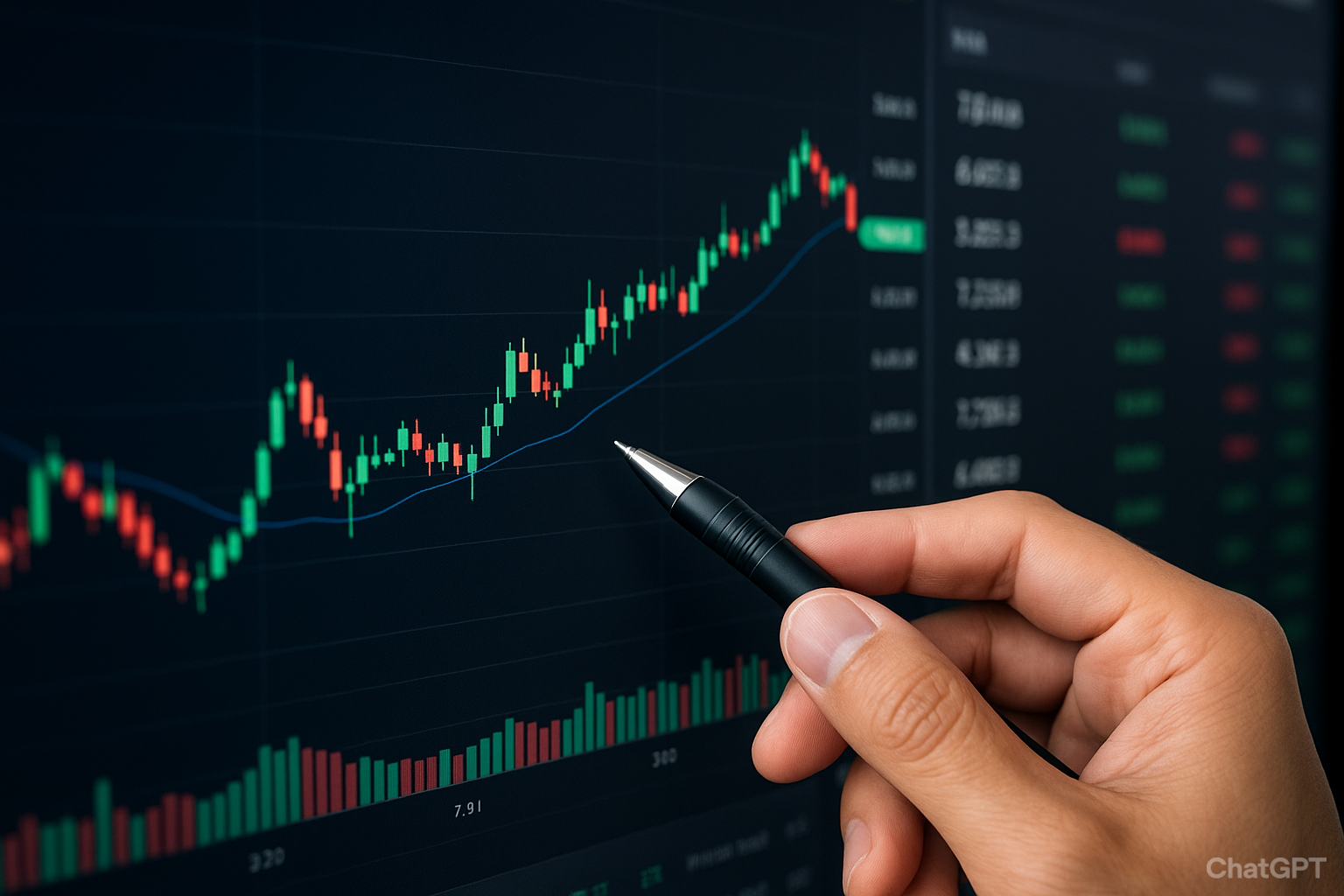
This beginner-friendly guide explains Complete beginners guidance about the stock market in simple language so you can understand how the stock market works and avoid common mistakes.
Welcome to JD Trading Zone
The stock market can seem confusing when you’re just getting started. Words like shares, NSE, BSE, IPO, mutual funds, demat account, and trading may sound complicated, but they are easier to understand than they appear.
Every successful investor and trader was once a beginner. The key is to build a strong foundation before investing your hard-earned money.
Also check:- (How to Use Pre-Market Data for Better Intraday Trades) (VWAP with RSI Strategy for More Accurate Trades) (10 Risk Management Rules Every Trader Must Know) (What Is VWAP in Share Market?) (How is trading better than other professions)
Complete Beginner’s Guidance about the Stock Market
The stock market is a place where investors buy and sell ownership in companies.
When you buy one share of a company, you become a small owner of that business.
If the company grows and becomes more profitable, the value of your investment may increase. If the company performs poorly, the share price may fall.
Why Does the Stock Market Exist?
The stock market helps both companies and investors.
→ For Companies
Companies raise money to:
• Expand their business
• Build new factories
• Launch new products
• Reduce debt
• Increase growth
→ For Investors
Investors participate to:
• Build wealth
• Earn dividends
• Benefit from long-term growth
• Beat inflation
How Does the Stock Market Work?
The process is simple.
1. A company lists its shares on a stock exchange.
2. Investors place buy and sell orders.
3. Buyers and sellers are matched.
4. The trade is completed electronically.
5. Share ownership changes automatically.
Prices move continuously because of demand and supply.
When more people want to buy than sell, prices usually rise.
When more people want to sell than buy, prices usually fall.
What Is a Share?
A share represents a small ownership stake in a company.
For example:
If a company has 10 lakh shares and you own 100 shares, you own a small percentage of that company.
As the company grows, your investment may grow too.
Primary Market vs Secondary Market
→ Primary Market
Companies sell shares to the public for the first time through an IPO (Initial Public Offering).
Investors buy directly from the company.
→ Secondary Market
After the IPO, shares are traded between investors.
This is where everyday buying and selling happens.
What Are NSE and BSE?
India has two major stock exchanges.
→ National Stock Exchange (NSE)
• Largest exchange in India
• Home of the Nifty 50 Index
• High trading volume
• Preferred by many traders
→ Bombay Stock Exchange (BSE)
• Oldest stock exchange in Asia
• Home of the Sensex Index
• Thousands of listed companies
Who Participates in the Stock Market?
Many different participants make the market work.
→ Retail Investors
Individual investors like you.
→ Institutional Investors
Large organisations such as mutual funds, insurance companies, and pension funds.
→ Traders
People who buy and sell shares frequently.
→ Brokers
Companies that provide trading platforms and execute orders.
Investment vs Trading
→ Investing
Investing means holding quality companies for years.
Goal:
= Long-term wealth creation
Typical holding period:
= Several years
Risk:
= Moderate if diversified
→ Trading
Trading focuses on shorter-term price movements.
Goal:
=Generate profits from market movements
Holding period:
• Minutes
• Hours
• Days
• Weeks
Risk:
=Higher than investing
Types of Trading
→ Intraday Trading
Buy and sell on the same day.
→ Swing Trading
Hold positions for several days or weeks.
→ Positional Trading
Hold investments for months.
→ Scalping
Very short-term trades lasting seconds or minutes.
Usually suitable only for experienced traders.
Step-by-Step: How to Start Investing
Step 1
→ Learn the basics first.
Never invest based on social media tips.
Step 2
→ Open a Demat and Trading Account.
Step 3
→ Complete your KYC verification.
Step 4
→ Deposit funds.
Step 5
→ Research companies carefully.
Look at:
• Revenue growth
• Profit growth
• Debt
• Management quality
• Future business potential
Step 6
→ Start with a small amount.
You don’t need a large amount of money to begin learning.
How to Start Trading
Before placing your first trade:
✔ Learn candlestick patterns
✔ Understand support and resistance
✔ Learn risk management
✔ Practice on paper
✔ Develop one strategy
✔ Maintain a trading journal
Avoid changing strategies every week.
Essential Stock Market Terms
Bull Market
→ Prices move upward over time.
Bear Market
→ Prices fall over a longer period.
Market Capitalisation
→ The total value of a company’s outstanding shares.
Dividend
→ A portion of a company’s profits distributed to shareholders.
Volatility
→ The speed and magnitude of price movements.
Higher volatility means larger price swings.
Liquidity
→ How easily a stock can be bought or sold.
Basic Risk Management Rules
Never ignore risk management.
Follow these simple rules:
• Never risk more than 1–2% of your capital on a single trade.
• Always use a stop-loss.
• Diversify investments instead of putting all your money into one stock.
• Avoid emotional decisions.
• Do not trade with borrowed money.
• Focus on preserving capital before chasing profits.
Common Mistakes Beginners Make
Complete Beginner’s Guidance about the Stock Market
Following Tips Blindly
→ Research before investing.
Investing Without Learning
→ Knowledge should come before money.
Expecting Quick Riches
→ The stock market rewards patience, not gambling.
Ignoring Risk Management
→ One bad trade without a stop-loss can wipe out months of gains.
Overtrading
→ More trades do not always mean more profits.
Quality matters more than quantity.
Benefits of Learning the Stock Market
Learning the stock market can help you:
• Build long-term wealth
• Understand businesses
• Beat inflation over time
• Create an additional source of income
• Improve financial knowledge
• Plan for future financial goals
Frequently Asked Questions
Is the stock market safe for beginners?
→ Yes, if you start with proper education, invest carefully, and avoid taking unnecessary risks.
How much money do I need to start?
→ You can begin with a small amount while learning. The important part is developing good habits rather than investing a large sum.
Is investing better than trading?
→ For most beginners, long-term investing is generally simpler and less time-intensive than active trading. Trading requires more experience, discipline, and risk management.
Can I lose money?
→ Yes. Stock prices can go up or down. That’s why research, diversification, and risk management are essential.
How long does it take to learn the stock market?
→ Learning the basics may take a few weeks, but becoming consistently skilled often takes months or years of study and practice.
Complete Beginner’s Guidance about the Stock Market
Final Thoughts
The stock market is not a shortcut to becoming rich overnight. It is a place where knowledge, patience, discipline, and good decision-making matter far more than luck.
Start by learning the basics, open a Demat account with a trusted broker, invest or trade only after understanding the risks, and continue improving your knowledge over time. Small, consistent steps can build confidence and help you make better financial decisions.
If this blog makes sense to you give your feedback in comments and stay tuned for more information about JD Trading Zone.
Pingback: How to Read Candlestick Charts for Beginners - jdtradingzone.com
Pingback: Best Indicators for Intraday Trading in India - jdtradingzone