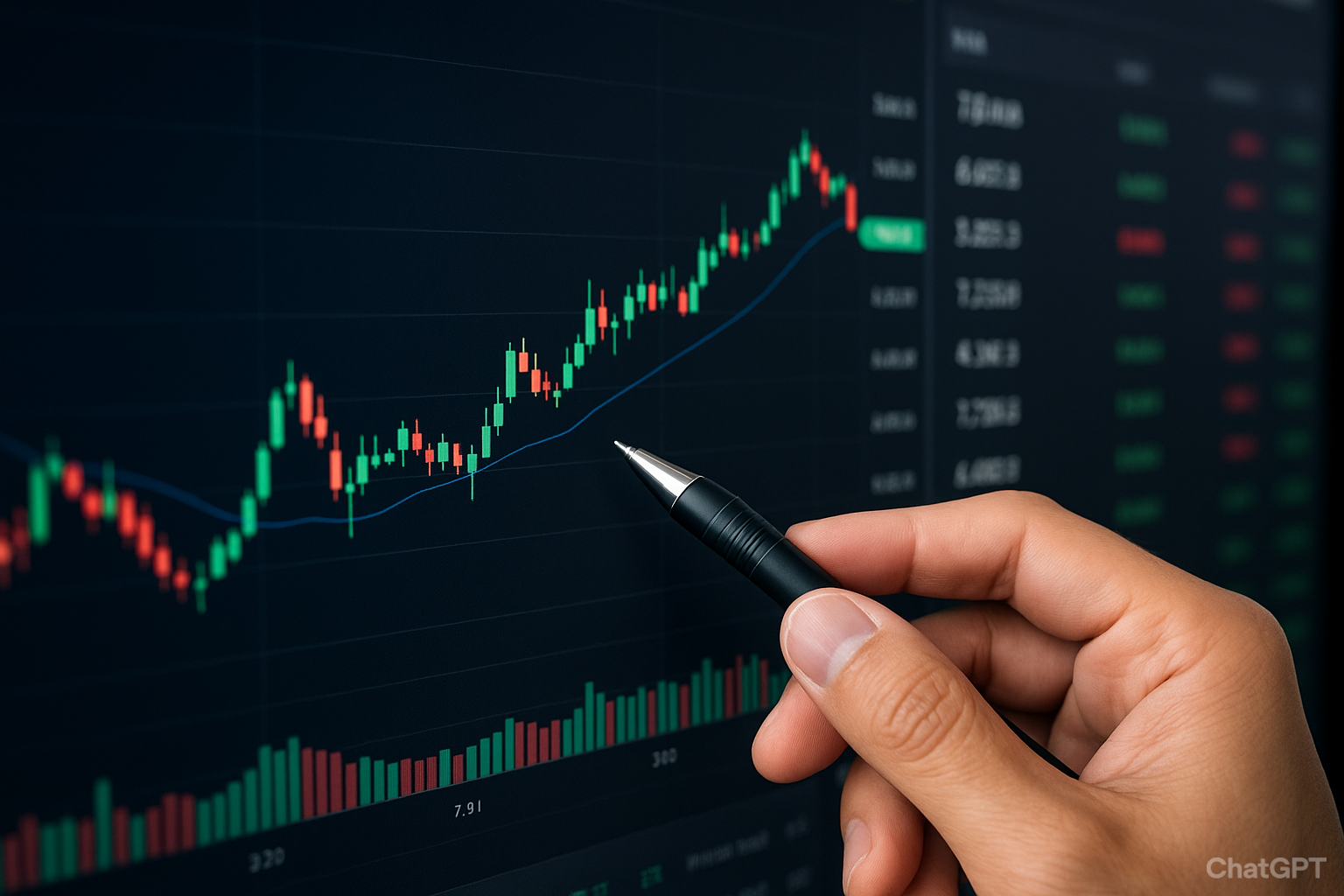
Explore the real reasons most traders quit and, more importantly, how you can avoid making the same mistakes.
Welcome to JD Trading Zone
Every year, thousands of people start trading with dreams of earning financial freedom. They watch success stories on social media, join online communities, and open their first trading account with excitement.
However, after a few months, many of these traders stop trading altogether.
→ Why does this happen?
→ Is trading impossible?
Not at all.
The truth is that most traders don’t quit because trading is impossible—they quit because they enter the market with unrealistic expectations, poor preparation, and weak risk management.
If you’re a beginner, understanding these reasons can save you months or even years of frustration.
Also check:- (The dark reality of stock market trading) (Can you really earn money from trading) (How to become profitable in 365 trades.) (Can Trading Really Change Your Life?) (How to recover share market losses?)
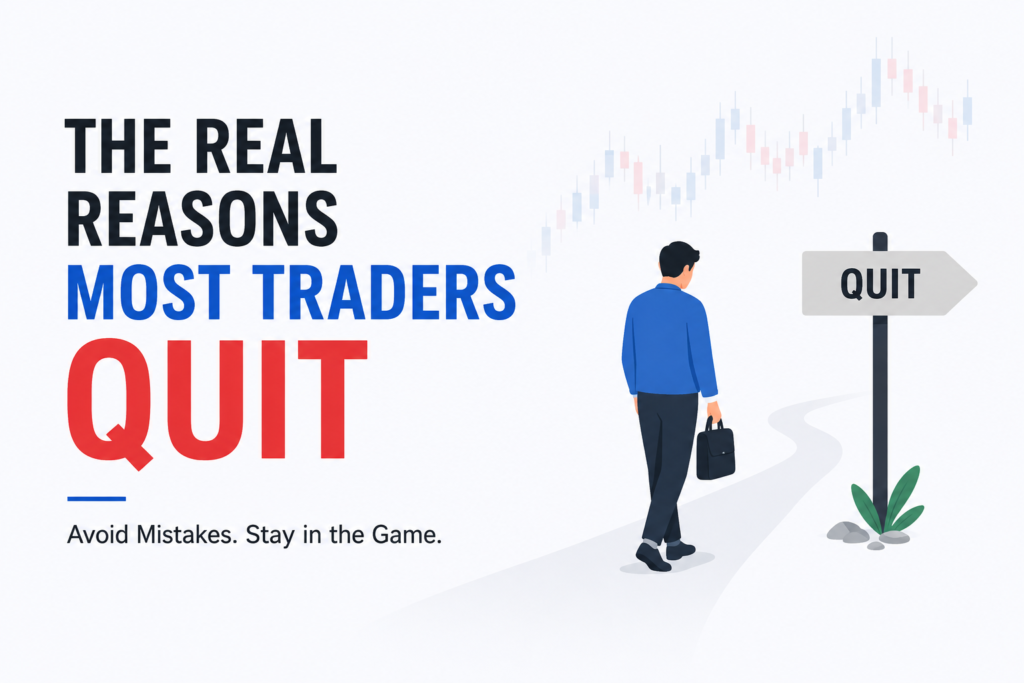
This is the real reasons most traders quit
1. Unrealistic Expectations
One of the biggest reasons beginners fail is expecting quick money.
Many people believe they can double their capital in a few weeks after watching videos showing huge profits. Unfortunately, the market doesn’t work that way.
Professional traders often spend years developing their skills before becoming consistently profitable.
How to Avoid This
• Focus on learning instead of earning.
• Set realistic monthly goals.
• Accept that trading is a long-term skill.
2. Lack of Proper Education
Many beginners jump into live trading after watching only a few videos.
They know how to place trades but don’t understand:
• Market structure
• Risk management
• Trading psychology
• Position sizing
• Probability
Without this knowledge, losses become almost unavoidable.
→ Solution
Spend time learning before risking real money.
Study:
• Price Action
• Support and Resistance
• Trend Analysis
• Risk Management
• Trading Psychology
3. Poor Risk Management
Many traders lose because they risk too much on a single trade.
Imagine losing 20% of your account in one bad trade.
Recovering from such losses becomes very difficult.
Professional traders know that protecting capital is more important than making profits.
→ Good Risk Management Rules
• Risk only 1–2% per trade.
• Always use a stop-loss.
• Never increase position size after a loss.
• Focus on consistency.
4. Emotional Trading
Fear and greed destroy more trading accounts than bad strategies.
Common emotional mistakes include:
• Revenge trading
• Moving stop-losses
• Closing winning trades too early
• Holding losing trades too long
Successful traders follow their trading plan instead of their emotions.
5. Trading Without a Plan
Many beginners buy or sell simply because someone on social media says a stock will move.
This approach rarely works over the long term.
A trading plan should clearly define:
• Entry conditions
• Exit rules
• Stop-loss placement
• Profit target
• Risk per trade
• Maximum daily loss
Without a plan, every trade becomes a guess.
6. Overtrading
More trades do not always mean more profits.
Many beginners believe they must trade every day to make money.
Professional traders often wait patiently for high-quality setups.
Remember:
→ The best trade is sometimes no trade.
Signs You’re Overtrading
• Taking trades out of boredom
• Ignoring your strategy
• Chasing every market move
• Trading after reaching your daily loss limit
7. Copying Others Blindly
Following random tips from Telegram groups or social media influencers can be dangerous.
What works for one trader may not work for another because:
• Capital differs.
• Risk tolerance differs.
• Experience differs.
• Trading style differs.
Instead of copying trades, understand why a trade is being taken.
8. Ignoring Trading Psychology
Even a profitable strategy can fail if emotions control your decisions.
Common psychological challenges include:
• Fear of losing
• Fear of missing out (FOMO)
• Greed
• Overconfidence
• Lack of patience
Improving your mindset is just as important as improving your strategy.
9. Not Keeping a Trading Journal
Most beginners never review their trades.
Without reviewing your mistakes, improvement becomes slow.
A trading journal should include:
• Entry price
• Exit price
• Reason for the trade
• Market conditions
• Risk-reward ratio
• Lessons learned
Over time, this helps you identify patterns and improve decision-making.
10. Giving Up Too Early
Many traders quit after a few weeks of losses.
The reality is that learning trading is similar to learning any other professional skill.
→ Doctors, engineers, athletes, and musicians spend years improving.
Trading is no different.
Success usually comes through:
• Continuous learning
• Discipline
• Practice
• Patience
• Consistency
How Beginners Can Stay in the Game Longer
The real reasons most traders quite.
How Beginners Can Stay in the Game Longer
Instead of trying to make quick money, focus on becoming a better trader every month.
Here are a few habits that can help:
• Create a written trading plan.
• Risk only a small percentage of your capital.
• Learn from every losing trade.
• Keep a trading journal.
• Avoid emotional decisions.
• Practice patience and discipline.
• Continue learning and testing your strategy.
Small improvements made consistently often lead to better long-term results.
Common Mistakes Beginners Should Avoid
• Trading without knowledge
• Risking too much money
• Chasing losses
• Depending on trading tips
• Ignoring stop-losses
• Expecting overnight success
• Overtrading
• Letting emotions control decisions
Avoiding these mistakes won’t guarantee profits, but it can significantly improve your ability to learn and remain in the market.
Frequently Asked Questions (FAQs)
Why do most traders quit?
→ Most traders quit because of unrealistic expectations, poor risk management, emotional decision-making, lack of education, and inconsistent discipline.
Can beginners become successful traders?
→ Yes. Beginners can improve their chances by focusing on education, practicing with proper risk management, maintaining a trading journal, and following a well-defined trading plan.
How long does it take to become consistently profitable?
→ There is no fixed timeline. Progress depends on the time invested in learning, practice, discipline, and adapting to market conditions.
Is losing money part of trading?
→ Yes. Losses are a normal part of trading. The goal is not to avoid losses entirely but to keep them small and manageable while allowing profitable trades to outweigh them over time.
Final takeaway
Trading is not a shortcut to wealth—it’s a skill that requires patience, discipline, and continuous learning. Most traders quit because they expect fast results, take unnecessary risks, or let emotions guide their decisions.
If you approach trading with realistic expectations, manage your risk carefully, and commit to improving one step at a time, you’ll give yourself a much better chance of staying in the game and developing into a more confident trader.
Remember, success in trading isn’t about never losing—it’s about learning, adapting, and staying consistent over the long run.
Reading this in pieces over a coffee break and finding it consistently rewarding, and a stop at dreamvision extended that into related material I will return to later, the kind of site that fits naturally into small reading windows without requiring a long uninterrupted block is genuinely useful for how I actually browse.